
THE ONE TEST PREP · 2026 CLINICAL SERIES · 21 OF 116
Four Dimensions of Justice: ASWB Exam Reasoning Across Systems
TOTP competency #21 — Social, racial, environmental, and economic justice principles
Bachelors, Masters, and Clinical. The 2026 ASWB outlines include this topic in Diversity and Social Justice for all three exam categories. The question may locate the work with one client, an agency, a neighborhood, or a policy system.
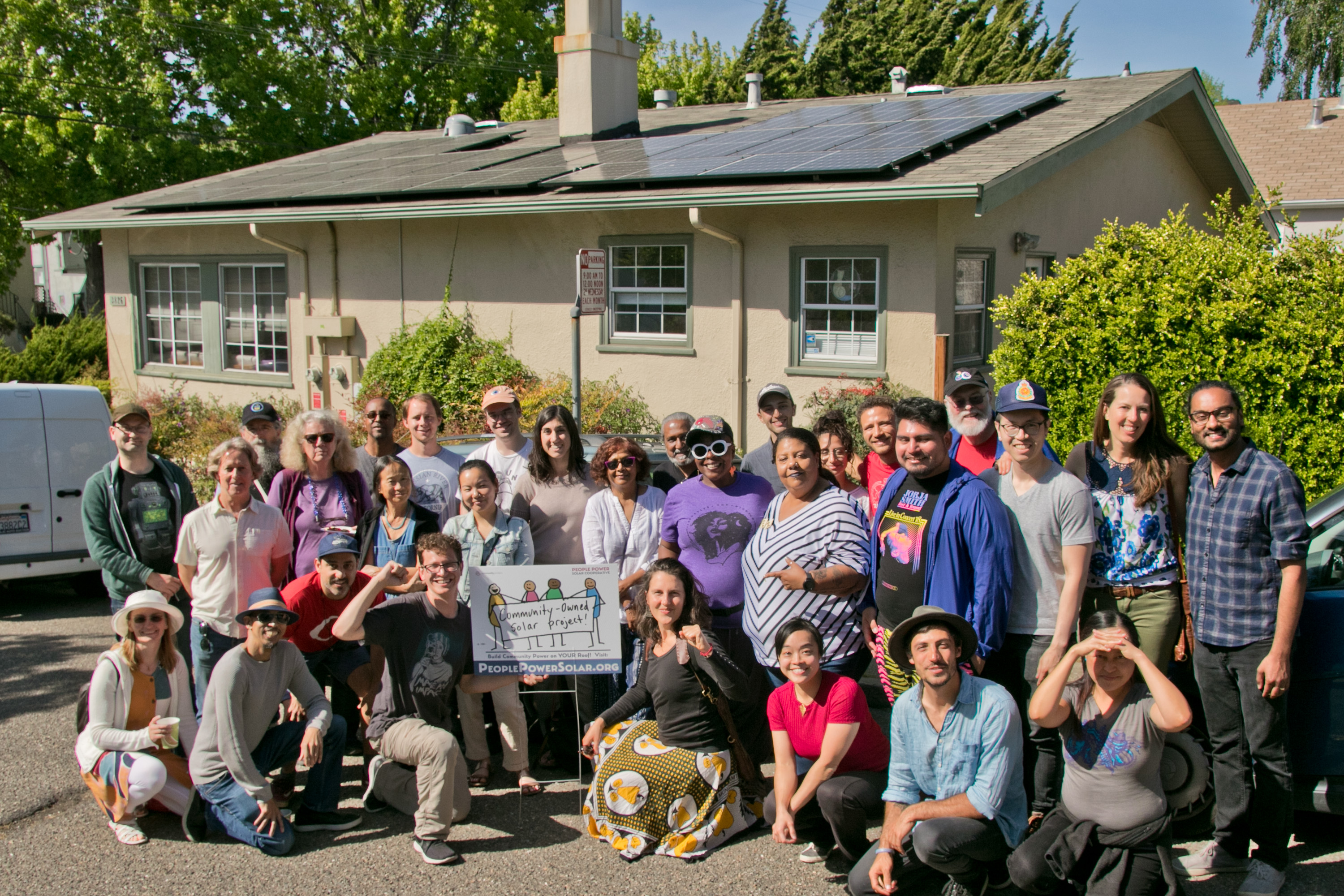
Justice questions on the ASWB exam often begin with a practical barrier: a family cannot reach services, a neighborhood carries greater health risks, or an agency rule excludes the people it is meant to serve. The task is to connect the immediate need with the larger distribution of power, opportunity, resources, and harm.
Know the four lenses—and how they overlap
Examines access, participation, rights, dignity, and the conditions people need to meet basic human needs.
Examines how racism and racialized policies or practices create unequal exposure, access, treatment, and outcomes.
Examines access to income, employment, housing, education, health care, and other resources necessary for security and opportunity.
Examines who is exposed to pollution, climate hazards, unsafe housing, displacement, or resource decisions—and whether affected communities have meaningful influence.
A single vignette may involve every lens. For example, recurrent asthma in a low-income neighborhood can involve environmental exposure, racialized housing patterns, economic constraints, and limited public influence. The strongest answer does not force the facts into only one category.
Move between immediate support and systems change
A social worker can help a family obtain medical care today and still advocate for safe housing tomorrow. The levels of practice are connected:
- Micro: assess the person’s immediate safety, preferences, strengths, and access needs; offer concrete resources without blaming the individual.
- Mezzo: examine agency rules, service hours, language access, transportation, referral patterns, and outcome data.
- Macro: support community-led advocacy, public participation, policy change, coalition building, and equitable allocation of resources.
Start where the stem starts. If the community’s priorities are unknown, consult affected residents before designing a campaign. If a barrier and desired remedy have already been established, another assessment may delay needed action.

Use participation, evidence, and accountability
Justice-oriented practice is not the social worker speaking for everyone. It is creating conditions for informed participation, removing access barriers, and using professional influence in partnership with affected people. Data can identify unequal outcomes; lived experience explains how policies operate in daily life. Both are needed to design and evaluate a response.
Two original practice questions
1. Residents identify an environmental health pattern
Parents in a low-income neighborhood report that children living near a freight corridor have frequent breathing problems. They ask a community social worker to help them advocate for change. The social worker has not yet learned which outcomes residents want to prioritize. What should the social worker do FIRST?
- Choose the policy solution most likely to reduce truck traffic.
- Meet with affected residents to clarify priorities, existing strengths, safety concerns, and the role they want the social worker to take.
- Contact the media and identify the neighborhood publicly.
- Refer each family to individual counseling for stress management.
Key: B. The residents have identified a concern but their preferred outcomes and the worker’s role remain unclear. Collaborative assessment supports meaningful participation and avoids replacing community voice with professional assumptions. A selects a remedy prematurely. C may expose residents or escalate publicly without consent and planning. D individualizes a structural health concern and does not answer the advocacy request.
2. An access rule produces exclusion
A food assistance program requires government-issued identification at every visit. Staff report that the rule routinely excludes unhoused people and some immigrant families even when food is available. No law or funder requires the identification rule. Which action BEST advances economic and social justice?
- Ask staff to make undocumented exceptions quietly for clients they recognize.
- Review the purpose and effects of the rule with participants and staff, then adopt a transparent verification process that removes unnecessary access barriers.
- Keep the rule because identical requirements are the fairest approach.
Key: B. The rule is discretionary, produces a known barrier, and can be revised through a transparent, participatory process. A depends on informal favoritism and leaves the exclusionary policy in place. C mistakes identical treatment for equitable access and ignores the program’s own evidence about disparate effects.
Make the lesson stick
Draw four connected circles labeled social, racial, environmental, and economic. Place one practice vignette in the center and write one relevant fact in each circle. Then identify a micro response, a mezzo response, and a macro response. Continue with governmental policies and service delivery and client self-determination.
References
- ASWB 2026 Social Work Licensing Examination Guidebook and content outlines
- NASW Code of Ethics, Standards 6.01–6.04
- NASW Social Justice principles and current priorities
- NASW Environmental Justice and Climate Change resources
- CSWE Center for Diversity and Social & Economic Justice
The key is hidden in the STEM.